How to Remove Red Clay and Hard Water Stains from College Station Brick Homes | House Washing College Station TX
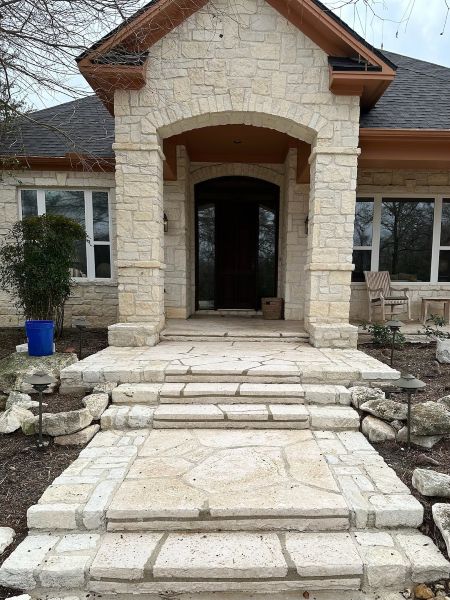
Brick homes across College Station face two stubborn problems at once: the red tint from Brazos Valley clay and the chalky haze from sprinkler overspray. If you have tried rinsing with a pressure washer and saw the stains return, you are not alone. Homeowners searching for house washing College Station TX want results that last without harming mortar, plants, or windows. That is where a targeted soft wash process makes all the difference, and it starts by choosing a team that specializes in brick care and professional house washing.
Why Red Clay and Hard Water Stains Show Up on College Station Brick
Our local soils are rich in iron. When wind or splash-back carries that fine clay onto brick, moisture helps iron particles settle into pores, weep holes, and the first few courses above grade. At the same time, irrigation systems often spray tap water with minerals like calcium and magnesium. As the water dries, those minerals leave a crusty film called scale.
On brick, these two issues look different but often overlap. Red clay shows as rusty streaks around weep holes and near mulch lines. Hard water builds a white or gray haze, most obvious on shaded sides, garden walls, and near sprinkler heads.
Why High Pressure Fails And Can Cause Damage
Clay staining is not just surface dirt. Iron bonds with the brick face, so blasting with high pressure only roughs up the surface without truly dissolving the bond. Worse, strong spray aimed at joints can drive water behind flashing and into cavities, leading to efflorescence, loose mortar, or interior moisture issues.
Do not blast stained brick with high pressure in an attempt to force stains out of the pores. That approach can open the face of the brick, fray old mortar, and push water through weep holes instead of letting them breathe as designed.
The Soft Wash Approach That Actually Works
Lasting results come from chemistry guided by experience. A proper soft wash uses low pressure to gently apply a specialized, eco-friendly acidic cleaner that targets iron oxide from red clay and dissolves mineral scale from sprinklers. The solution sits just long enough to release the bonds, then is gently rinsed so the brick dries evenly.
Because every facade is different, a trained technician adjusts dilution for brick hardness, mortar age, and stain load. Some areas may need a second light pass, not more force. The focus is on even cleaning, even drying, and preserving the crisp edges of your brick.
Protecting Mortar, Weep Holes, And Landscaping
Weep holes are there to drain and ventilate the wall assembly. A correct soft wash keeps water volumes controlled and the spray angle low so those openings keep doing their job. Mortar is checked for softness or erosion before cleaning, and the solution choice is matched to avoid etching.
Landscaping matters too. Nearby plants, turf, and mulch beds are watered before and after treatment. Any runoff is buffered, and glass, metals, and fixtures are shielded. Never mix acids or household cleaners on brick, and never let untested products contact aluminum, copper, or natural stone.
Local insight: In neighborhoods like Pebble Creek, Castlegate, and Southwood Valley, red clay collects fastest where beds sit higher than sidewalks. Ask your pro to note mulch height and downspout splash zones so stains do not return as quickly.
Safety first: keep windows shut and cover exterior outlets during any wash so cavities stay dry and protected.
How Professionals Tackle Red Clay On Brick
Red clay is iron-rich. The right cleaner breaks that iron bond so stains rinse away at low pressure. Good pros read the wall like a map. Heavier stains form “halos” below weep holes and along ground-level bricks. Those zones get a tuned dwell time and a gentle rinse that keeps joints intact.
On steps, porch risers, and garden walls near clay soil, a second micro-pass finishes the job. The aim is to lift stains evenly so you do not see clean “splotches” later. Careful final rinsing removes residues that could cause patchy drying.
How Pros Remove Hard Water Scale Around Irrigation
Scale forms where sprinklers mist brick and then the sun bakes it dry. You will notice it most near hose bibs, along front walk walls, and on shaded north or east exposures. The remedy is a mineral-dissolving cleaner applied at low pressure, followed by a soft rinse.
Because scale can shadow back if tiny deposits remain, attention to edges and drip lines is critical. Fixtures and window frames get a protective rinse before and after, and glass is squeegeed or rinsed clear to avoid spotting.
What To Expect From A Professional Visit In College Station, TX
You should expect a friendly walkthrough, a clear plan, and careful prep. Here is a simple picture of the day so you can plan around pets, gates, and parking:
- Arrival window and walk-around to identify stain zones, irrigation lines, and plant beds.
- Plant and surface protection, including pre-wetting foliage and masking delicate fixtures.
- Low-pressure application of targeted cleaners for red clay and mineral scale.
- Measured dwell time, spot testing, and a controlled soft rinse for even results.
- Quality check in natural light to confirm uniform color and finish.
If you want your brick cleaned along with siding or trim, ask about pairing services during the same appointment. Many homeowners in Indian Lakes, Edelweiss, and Castlegate save time by bundling brick care with a whole-home soft wash house washing service.
Signs Your Brick Needs Attention Now
It is easy to put off cleaning, but early care protects curb appeal and materials. Watch for these telltale signs:
- Rusty streaks below weep holes or at the first two brick courses above the soil line.
- White haze or “ghosting” rings where sprinklers hit the wall.
- Powdery residue that reappears after it dries, even after a garden hose rinse.
- Dark moisture tracks at corners or steps that linger long after rain.
Local Weather And Irrigation Factors That Make Stains Worse
Hot summers, sudden downpours, and clay-rich topsoil create perfect conditions for stain transfer. Overspray adds to the problem when sprinklers drift in the breeze. If you see scale lines that match your spray arc, you have found the source.
Check your irrigation schedule during summer and position heads so they do not mist walls, windows, or columns. Ask your pro to point out low spots where splash-back hits the brick on heavy rain days.
Why Soft Washing Protects Brick, Mortar, And Trim
Soft washing relies on the right chemistry and very low pressure. That keeps the face of the brick smooth, protects the arris edges, and prevents mortar from being scoured out of joints. It also avoids forcing water into the wall assembly, which helps your weep system keep working.
Equally important, the solutions are selected to be effective on stains and kind to landscaping when used the right way. Clear communication about plants, pets, and access helps the day go smoothly.
How Long Results Last And How To Keep Brick Looking New
Results depend on exposure, soil contact, and irrigation patterns. Most homeowners see a long-lasting improvement when stain sources are controlled. Keeping mulch below the first brick course and adjusting overspray go a long way.
If you want a simple rule of thumb, schedule a checkup after heavy spring rains or if your sprinklers run more than usual during heat waves. A light maintenance rinse may be all that is needed to stay ahead of stain build-up.
Why Refresh Power Washing For Brick Stain Removal In College Station
Refresh Power Washing follows a careful, soft-wash process tuned for Brazos Valley brick. Our team uses specialized, eco-friendly acidic cleaners to target iron oxide and dissolve hard-water scale without harsh scrubbing. We protect plants, fixtures, and windows before we start, then neutralize and rinse for a clean, even finish.
You can expect prompt communication, respect for your property, and results that elevate curb appeal. If you are comparing options, choose proven experience over raw pressure. Your brick, mortar, and flashing will thank you for it.
A Quick Look At Common Trouble Spots Around Town
We often see the heaviest clay streaking on garden walls near raised beds in Southwood Valley and Pebble Creek, where soil sits close to the first brick course. Scale tends to show up on shaded entry walls and mailbox columns along irrigated streets. On patios, look where sprinklers bounce water off concrete and up onto the bottom row of brick.
Every home is different, which is why a short onsite look helps tailor the plan. That is also the fastest way to confirm timing, plant protection, and access needs for pets or gates.
If you are ready to bring back a fresh, even color across your brick, start with a team that focuses on chemistry, technique, and care. For many homeowners, scheduling full-home house washing in College Station, TX once a year keeps stains from getting a foothold.
Ready For Clean, Even Brick? Schedule With Refresh Power Washing
Let Refresh Power Washing remove red clay streaks and hard water haze the right way, using a low-pressure soft wash that protects your brick and landscaping. Call us at 979-676-7575 to book your visit or ask about pairing brick care with whole-home service. For details on our process and availability, see our page on professional house washing.

Refresh Your Surroundings With Our College Station Pressure Washing Experts
Contact Us Today!