Should You Clean or Stain First? A Step-by-Step Guide to Fence & Deck Staining in College Station, TX
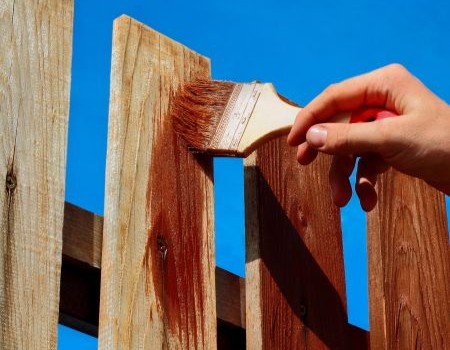
If you want your fence or deck to look great and stay protected, the short answer is simple: clean first, then stain. In College Station’s heat, humidity, and year-round pollen, surface grime and sun-damaged fibers will block stain from soaking in. Below, see how Refresh Power Washing handles a professional, mess-free process for fence and deck staining College Station homeowners can count on. If you are planning a project soon, you can explore our fence and deck staining service and learn what to expect.
Homeowners often search for fence and deck staining in College Station, TX before a big gathering or after a long summer. Timing and prep matter more than you might think. Done right, your stain resists fading, beads water, and keeps your wood looking proud through tailgate season and beyond.
Why Cleaning Comes Before Staining in College Station
Wood is porous. It must be free of dust, gray oxidation, and mildew so the stain can bond to fresh fibers. In our climate, pollen and sprinkler overspray add a thin, almost invisible film across boards. If you skip cleaning, that film becomes a barrier. The result is blotchy color and early failure.
- Never stain over mildew or gray, oxidized wood. It locks in problems and speeds up peeling.
- Cleaning removes contaminants and opens the grain for rich, even color.
- Professional prep protects nearby landscaping and avoids scarring the wood.
For many homes near Southwood Valley, Castlegate, and Pebble Creek, shade and morning dew mean extra moisture on wood surfaces. That is why a thorough, low-pressure wash and proper dry time are so important before any stain ever touches your boards.
The Professional Sequence We Follow
1) Evaluation and Moisture Check
Every project starts with a close look at the fence or deck. We note boards that need tightening or replacement and check surface moisture with a meter. If the wood is too damp or the forecast is unstable, we reschedule. Good staining is part craftsmanship, part timing.
2) Gentle Wash and Rinse
We use controlled washing tailored to exterior wood, removing grime, gray sunburned fibers, and old, failing coating. The goal is a clean, even surface without gouging the grain or raising splinters. This step sets the stage for consistent color and better protection.
3) Drying Window That Fits Our Weather
Humidity in the Brazos Valley can slow evaporation. We allow wood to dry until it reaches a favorable moisture range. Shade lines, sprinkler patterns, and wind all play a role. Patience here prevents cloudy finishes and ensures stain bonds deep.
4) Stain Type and Color Selection
We help you choose a tone that matches your home and the wood species. Semi-transparent tones highlight grain on cedar. More opaque finishes can even out older pine. The right product should shield against UV, resist water, and stand up to College Station’s long summers.
5) Precision Application and Cure
Stain is applied with care for even coverage, then allowed to cure without foot traffic or water. Avoid any water exposure during cure. That includes sprinklers, morning mist, and the occasional stray hose. Once cured, the surface is ready for daily life.
Clean First vs. Stain First: What Happens If You Reverse It?
It is tempting to stain right away to cover gray boards. The problem is that embedded dirt and loose fibers stop the stain from soaking in. You end up sealing a weak layer on top of the wood. Traffic, sprinklers, and sun then lift that layer fast. Skipping proper cleaning almost always shortens the life of the finish.
By cleaning first, we remove the “weak link” so color can bond to healthy fibers. The difference shows in how evenly the stain lays down and how well it sheds water months later.
How Weather in College Station Affects Your Schedule
Central Texas weather can shift quickly. We plan stain work around dry stretches and avoid intense midday sun. Wind can also challenge even application on taller fence runs, especially near open fields on the south side of town. Timing around these factors improves color depth and reduces lap marks.
Spring and fall are often ideal. Summer projects can succeed with careful timing and shade. Winter can work on milder weeks, provided surfaces are dry and temperatures are within product guidelines.
How Often to Refresh Stain in Central Texas
Sun exposure, irrigation, and wood species drive your maintenance cycle. Fences facing south or west take more UV. Decks near pools or sprinkler zones get more moisture. A simple water bead test and a quick look for fading or roughness help decide your next refresh. Many local homeowners plan routine inspections and schedule restaining before heavy fading appears, which keeps color consistent and protects the wood structure.
- More sun and wind exposure usually means a more frequent refresh.
- Heavy shade can hold moisture; watch for darkening or algae.
- High-traffic deck areas wear faster than handrails or privacy panels.
Choosing Colors and Finishes That Fit Local Woods
Cedar fences around College Station take semi-transparent tones beautifully, highlighting grain and knots. Pine benefits from tones that even out natural variation. Think about your home’s exterior colors and nearby trees. Warmer browns can soften the look next to brick. Cooler grays can complement modern siding. The key is a stain designed for exterior use, strong UV defense, and easy maintenance over time.
Prep That Protects Landscaping and Hardscapes
We take steps to shield grass, plant beds, and stone. Controlled washing and mindful rinsing help protect your lawn and garden. On decks, we detail along posts and edges for a clean line where boards meet stone or concrete.
Why This Process Outperforms Quick Fixes
Quick fixes look good for a week or two. Then our sun and humidity test every shortcut. A careful clean-first approach lasts because it treats the true causes of failure: contamination, loose fibers, and moisture. A finish is only as strong as the surface beneath it. When the base is healthy, the stain performs like it should.
Related Exterior Care That Extends Stain Life
Keeping nearby surfaces clean reduces splashing and residue on your wood. Many homeowners pair fence or deck work with light house washing to cut down on airborne grime. If your boards need a deeper refresh before color, targeted fence and deck cleaning helps remove stubborn buildup and sets the stage for a smoother finish.
When your outdoor spaces are ready for color, explore professional fence and deck staining to protect the investment you have made in your yard and outdoor living areas.
Local Notes for Bryan-College Station Homeowners
Neighborhoods with mature live oaks see heavy spring pollen that sticks to exposed boards. Sprinklers near shared fences can leave mineral spots that interrupt color. We plan around both. If you host game-day gatherings or backyard events, we suggest finishing several days ahead so surfaces cure and furniture can go back without marks. A little planning makes your outdoor space look fresh when guests arrive.
Ready for Professional Fence & Deck Staining in College Station, TX?
Whether you live near Texas A&M, Southwood Valley, or Pebble Creek, Refresh Power Washing is ready to help you get longer-lasting results with a clean-first, stain-second approach. For scheduling and expert care, call 979-676-7575. When you are ready to revive your outdoor wood with durable color and protection, our team is here to help.
Let’s bring your fence and deck back to life the right way. Book your spot for our fence and deck staining service and enjoy a smoother finish that stands up to College Station weather.

Refresh Your Surroundings With Our College Station Pressure Washing Experts
Contact Us Today!